


Tras publicar tres discos, The Maine visitan España con «Pioneer», agotando entradas en Madrid. Aprovechamos su visita a la capital para hablar sobre su carrera, el nuevo disco y la gira entre otras cosas.
Pregunta típica para todas las bandas que vienen por primera vez a España, ¿Qué fue lo primero que se os pasó por la cabeza cuando supisteis que ibais a venir?
John O’Callaghan: En Paris dos chicas del Street Team nos dieron una bandera no hace mucho. La colgué en mi habitación sin ninguna expectativa e idea, pero en el fondo de mi mente sabia que vendríamos. Ahora estoy muy emocionado.
Jared Monaco: Siempre quisimos venir a España. Es algo que nunca hemos podido hacer en vacaciones y al final estoy muy contento por estar aquí.
Veo que con «Pioneer» The Maine ha evolucionado sin perder sus raíces ¿Es un cambio natural o fue algo planeado?
John: Creo que nunca se pueden planificar este tipo de cosas, si lo hiciéramos seria muy previsible y lo que todo el mundo espera. Nos cogió en un momento en el que estábamos intentando grabar por nuestra cuenta por primera vez y no teníamos ni idea.
Jared: Acabábamos de empezar a componer, y al cabo de una semana cuando teníamos un montón de cosas vimos que era muy diferente a lo que habíamos hecho en el pasado, pero seguimos con ello. Pensamos que si era lo más natural, entonces será lo que vamos a grabar.
John: Creo que la edad también tiene mucho que ver con esto, porque éramos más jóvenes y ahora somos más viejos.
¿Que hay de las influencias de este álbum? ¿Escucháis las mismas bandas que por ejemplo cuando grabasteis “Can’t Stop Won’t Stop”?
John: Bueno, algunas bandas sí, pero creo que la mayoría han cambiado mucho, estoy seguro.
Jared: Es algo natural cuando descubres nuevos grupos y artistas.
John: Eso es, no sé vosotros pero cuando pienso en lo que escuchaba en el instituto y lo comparo con lo que escucho ahora, vuelvo a escuchar lo de antes y es bonito porque da mucha nostalgia…
Jared: …Pero nunca lo escucharías a todo volumen con las ventanas bajadas en tu coche como hiciste en el instituto.
John: Sobre los grupos que escuchábamos cuando estábamos componiendo, creo que hay un montón de cosas en el subconsciente, las bandas que te diría y no podrías ni relacionarlo con lo que hacemos nosotros. Pero nos gustan mucho Rolling Stones, Neil Young, Talking Heads. Estos últimos sería el caso del que te hablo, Talking Heads no tienen nada que ver con lo que hacemos nosotros aunque nos encantan.
Jared: Pero nos han dado cosas aunque no tenga sentido. Lo que pasa en todas estas influencias es que no nos damos cuenta de que están ahí, simplemente nos dejamos llevar por lo que estamos haciendo.
John: Creo que hay un buen equilibrio en lo que estamos haciendo e intentamos no agotarlo. Y si alguna vez escuchamos demasiado algo en especial, nos detenemos rápido y empezamos de nuevo.
Recientemente habéis publicado el documental “This Is Pioneer” ¿Por qué este álbum para el documental, de que os sentís más orgullosos del mismo?
John: Creo que los fans que nos siguieron están familiarizados con la historia, pero incluso si sois muy seguidores de la banda, no lo sabéis todo. La razón por la cual lo estamos editando en este momento es porque nos sentimos muy orgullosos de lo que hicimos y queríamos que los fans lo supieran de primera mano por nosotros y no por otra persona. Hicimos un DVD en directo y decidimos hacerlo en Brasil porque la primera vez que estuvimos allí fue la experiencia más surrealista y abrumadora de nuestras vidas, pero no en el mal sentido. Además coincidió que el directo que grabamos fue el concierto donde más gente pudimos reunir, y por tanto todo tenía sentido.
Jared: Garrett tenía una cámara con él durante todo el tiempo, siempre la llevaba, y cogió un montón de momentos importantes a lo largo de la composición y grabación así que nos emociona la posibilidad de volver atrás para verlo todo.
En “This Is Pioneer” habláis de las primeras veces que tocasteis fuera de Arizona. Hoy en día habéis vuelto a tocar en estos lugares. ¿Habéis pensado en lo que ha evolucionado la banda desde entonces? ¿Seria un buen momento para hacer algún tipo de balance?
John: Creo que está bien tener un momento para reflexionar y para apreciar todo y pensar sobre el trabajo que pones, pero el único momento cuando puedes hacer un balance de verdad es cuando ya lo has terminado y cuando no tienes nada a lo que aferrarte. Creo que es importante no quedarnos atrapados en lo que está pasando porque todavía tenemos un trabajo, todavía tenemos esa responsabilidad, que es la música y tocar en directo para gente. Espero que cuando seamos viejos, arrugados, y no sigamos con esto nunca más, podamos decirles a nuestros niños “Esto es lo que solía hacer, hijo”, pero ahora sólo somos muy afortunados de poder seguir haciéndolo y de no hacer ventaja de ello.
También habéis editado unas caras b de “Pioneer”. ¿Pertenecen a las mismas sesiones de grabación que el disco? ¿Por qué esas canciones no formaron parte del álbum?
John: Hay algunas que podrían haber estado en Pioneer y y podría imaginármelos como parte de ese todo que es el disco.
Jared: Pero también es que no queríamos tener un álbum muy largo, escoger las canciones fue una parte difícil. Grabamos muchas canciones y “My Heroine” por ejemplo casi termina en las caras b, pero también hay cosas muy diferentes al álbum y estarían fuera de lugar.
John: Una vez que escuchas las caras b estás de acuerdo en que algunas canciones no pertenecen a las demás, pero las queríamos publicar porque nos sentíamos emocionados con ellas y formaban parte de la historia que queríamos contar.
Ahora mismo estáis en la mayor gira que habéis hecho como cabezas de cartel ¿Cómo va hasta ahora?
John: Hicimos un poco de trampa y consideramos Australia como parte de la gira Pioneer cuando en realidad eran New Found Glory y Taking Back Sunday quiénes nos sacaron de gira, pero el ser capaz de ir a tantos sitios a presentar nuestro disco, me explico, si vais al concierto de esta noche escuchareis mucho de «Pioneer» porque es la gira para ello. También intentamos no cambiar mucho el setlist de esta gira porque queríamos tratar de ofrecer la misma experiencia en todos los lugares, y lo más destacado es que vamos a estar en sitios muy diferentes.
Jared: Es el primer álbum en el cual sabíamos que íbamos a ir por todo el mundo, y eso es una gran meta que ha podido cumplir la banda.
John: Así que venir a España o Italia por primera vez y poder tachar algo así de la lista es algo de lo que estamos muy contentos. Esperamos volver pronto y hacer rutina de ello.
Nos gusta mucho la portada del álbum porque nos parece diferente, ya que no es algo a lo que estemos acostumbrados en este tipo de música ¿Pensasteis mucho en ella o fue más improvisada?
John: Por alguna razón tenía esa imagen en mi cabeza durante mucho tiempo, un tipo grande con barba y un poco de pintalabios rojo. Por eso cuando Dirk (Mai) vino a Texas cuando estábamos grabando, nos pusimos a pensar en ideas y esta resultó ser nuestra favorita. Considero las portadas algo muy importante, y queríamos algo que a la gente le sorprendiera porque es lo que pretendemos con la música. En cierto modo va dentro de todo el proceso y esta relacionado con ser fieles y asegurarse de todo lo que estamos haciendo es algo en lo que creemos. No se trata de la discográfica o de otras bandas, es sobre lo que queremos hacer y si eso significaba poner una magdalena en la portada, lo hubiéramos hecho. Espero que esto también nos abra puertas en un futuro y la gente no se sorprenda negativamente con nada.
En vuestra página de facebook hay mucha gente con tatuajes de algo relacionado con la banda ¿Cómo os sentís acerca de esto?
John: Es salvaje, es muy difícil pensar en ello.
Jared: Yo tengo un tatuaje de la banda de un amigo así que sé lo que es, y creo que está bien si te sientes algo fuerte por algo tienes que hacerlo. Aunque no tiene que ser un tatuaje, porque nuestros fans hacen muchas cosas para nosotros. Pero los tatuajes son permanentes y es una declaración muy grande de alguien. He visto tantos tatuajes, y hubo un momento en el que vi unos cuantos y me di cuenta que iba a estar allí durante mucho tiempo, y es todo un honor.
John: El hecho de que alguien entregue una parte de su cuerpo para dedicarla a una parte de nosotros es siempre alucinante.
Y cuando hay quien os llega a decir que vuestras canciones les ha salvado la vida ¿Alguna vez pensasteis en llegar tan lejos?
John: Bueno, ya sabes, nosotros obviamente no salimos al escenario y tratamos de hacer eso y no sé cuantas historias son realmente ciertas, pero no nos importa. El hecho de que la gente esté diciendo eso es que estamos haciendo las cosas bien y significa que tenemos que seguir haciendo lo que sentimos que es lo correcto. Ese tipo de situaciones, las cartas que nos llegan, es realmente gratificante.
 En otras entrevistas habéis dicho que estos dos últimos años han sido realmente importantes después de tantas giras y países que nunca habíais visitado ¿Qué sueños os quedan por cumplir como banda?
John: Hay muchas cosas que no hemos logrado, no son metas especificas pero creo que aún nos quedan cosas por experimentar. El siguiente álbum es una de estas cosas porque ya hemos intentado y conseguido escribir y publicar un disco por nuestra cuenta, así que va a ser interesante decidir si queremos seguir haciéndolo nosotros o decidir con quién lo queremos grabar, teniendo en cuenta que lo tenemos que pagar con nuestro propio dinero. Hay muchas cosas por las que nos sentimos entusiasmados, te diría que “los primeros” son siempre los mejores momentos, la primera vez en España, por ejemplo, queremos más cosas así, y es a lo que tenemos que aspirar.
Vuestra última gira fue con Lydia y Arkells. Tenemos que confesar que somos grandes fans de Lydia y que nos sorprendió esa gira ¿Os gusta girar con bandas que están un “poco fuera” de la escena pop rock?
John: Decidimos girar con bandas que escuchábamos y con las que disfrutábamos, y no me refiero a que no disfrutáramos de los grupos con los que giramos anteriormente, solo que eso es lo que sentíamos en ese momento. Conocí a Arkells en un concierto en Toronto a través de un fan. Nos dieron un CD, que no siempre escuchamos, pero que en aquella ocasión hicimos. Era “Jackson’s Square” y estuvo en repeat todo el rato. Al tiempo nos enteramos de que iban a editar otro y que iban a salir de gira, así que vimos su historial de sus conciertos y nos dimos cuenta de que no habían hecho muchas cosas en los Estados Unidos, así que supimos que tendríamos que hacer algo con ellos.
Jared: Y nosotros no habíamos girado mucho por Canadá, así que tenía sentido para ambas bandas.
John: Y después Lydia, somos amigos desde hace años, yo hice de merch para ellos en el Warped Tour de 2006 y afortunadamente ahora nuestra empresa de Management es la misma. Nos pareció un buen equilibrio, primero Arkells, más rock animado, luego Lydia, que son muy cinematográficos, épicos y melódicos, y después nosotros que somos… lo que seamos. Nos sentíamos bien con esa gira.
Hemos leído que tuvisteis algunos problemas con el sello discográfico y como habéis dicho que decidísteis publicar este álbum por vosotros mismos os queríamos preguntar sobre pros y contras de hacer vosotros todo el trabajo, porque es algo que esta pasando últimamente con otras bandas como The Cab u All Time Low.
John: La principal desventaja es el dinero, que es la mayor, y la segunda es la experiencia pero he de decir que hay mucha mentalidad de “grupo de una canción” a la hora de la forma de pensar en una discográfica en general. Todo el mundo es reacio a cambiar porque tienen miedo de perder su trabajo, algo que entiendo perfectamente, si yo tuviera una familia y tuviera que apoyar a gente seria muy escéptico a la hora de poner mi nombre en la lista de quienes están tratando de innovar. Pero creo que al final del día los pros y las contras quedan en un segundo plano porque puedes hacer lo que quieres hacer de verdad. Y sí eres músico, y a menos que seas Lady Gaga o cualquiera de esos artistas que son solo espectáculo y entretenimiento, ¿por qué querrías que tu música fuera manipulada por gente a tu alrededor?
Jared: La música es lo único que realmente posee el artista, así que cuando estás en un sello que te dice “nos gustaría hacerlo así, tienes que cambiar esto”, de lo que sea, incluso del diseño, si tienes una visión de lo que estas haciendo, tienes que hacerlo de la forma en la que tú quieras. El sello debería estar contigo porque ya vieron lo que sabes hacer y lo que vas a hacer, y eso es lo que les gustó para que estés ahí. Hay bandas que sí quieren que la discográfica se ocupe de todo, nosotros no somos esa banda. Estamos muy involucrados con todo, queremos saber que esta pasando con cada pequeño detalle, así que no fue un proceso aterrador porque ya sabíamos que hacer cuando no estuviéramos en un sello.
John: Cuando nos enteramos, incluso hicimos una fiesta con tarta y champán.
Jared: ¡Si! Para otra banda sería una noticia terrible y devastadora pero nosotros tuvimos tarta y vino.
John: También creo que es muy relativo, conocemos a los chicos de The Cab y no hemos hablado con ellos sobre su situación, pero cada caso es muy específico y relativo.
Jared: Para nosotros fue una bendición.
¿Sentisteis que esto era como una vuelta a las raíces pero evolucionada después de la experiencia de “Black & White”?
John: Si, se sentía liberador volver a nuestras raíces, de dónde venimos. Fue una de las mayores fuentes de inspiración para hacerlo de esta manera. Estábamos componiendo y pensamos en lo que nos llevo al primer disco, al primer contrato y nos dimos cuenta de que lo hicimos todo por nuestra cuenta para estar aquí, así que ¿porque no hacerlo otra vez?
Jared: Creo que en ese momento todos estábamos muy hambrientos, todos queríamos tener éxito. Pero ahora siento que estamos de vuelta con mucho más conocimiento acerca de cómo funciona todo.
John: Y una idea más clara de que es lo que queremos.
¿Creéis en aquello de incluir todo tipo de música en un estilo o categoría? ¿Creéis que una banda se puede encerrar en un solo estilo de música?
John: Yo no creo en eso, pero creo que es rock, porque hay guitarras, batería, un vocalista, un bajista, y eso es todo.
Jared: Y que todo el mundo esta tocando instrumentos reales. Pero entonces cuando se dice pop puede ser alguien que no toca un instrumento o todo un grupo. No sé, se vuelve un poco turbio, odio hacerlo.
John: Al final pop solo significa popular, ¿no?
Todos vosotros estáis muy cerca de los fans en los conciertos, pero también usáis blogs para mantener el contacto. ¿Creéis que las redes sociales si se usan para mantener el contacto diario ayudan a hacer una mayor cantidad de fans?
John: Sin lugar a dudas, esa es la única razón por la que estamos aquí, la única por la que visitamos America del Sur o Italia es por la respuesta que se nos dio en Internet, y saber que al menos vamos a tener cuatro personas en el concierto.
Y en Madrid se agotaron las entradas.
Jared: ¡Si! Parte de ello es por Internet, tratamos de darle a la gente una parte de la banda. Internet es una gran herramienta para eso y estamos en un punto ahora en el que no estamos en un sello discográfico y podemos administrar una canción como queramos. Eso es lo increíble de tener Internet, que nos este llevando a sitios que no habríamos visto en caso de no tenerlo.
John: Ha sido definitivamente algo positivo para nosotros, es algo que solo nos hará más locos, seguro que crean un nuevo sitio web que nos mantenga a todos conectados con microchips para lavarnos el cerebro.
Three albums later, The Maine visit Spain for the first time, having sold out in Madrid. We got the oportunity to talk to John and Jared about their carrer, «Pioneer» and much more.
This is the classic question for bands that are coming for the first time, what was your first thought when you knew that you’re coming to Spain?
John O’Callaghan: Actually we received a flag from couple of the girls from the Street Team we have here in Spain when we was in Paris not too long ago. They gave me a flag and I had it hanging in my room and I had no idea and no expectations, but I always knew in the back of my mind that we were going, and I’m really excited.
Jared Monaco: Yeah, we always wanted to come to Spain. It was something we were never able to do on vacation and I’m really glad to finally be here.
The way we see it, The Maine has evolved a lot as a band in “Pioneer” but still not losing the roots. Did this change come naturally or was it something planned?
John: I think you can never plan this kind of things, if we did it would just be predictable and it would be what you expect. For us it kind of caught us off card because we were trying to record by our own for the first time and we had no idea.
Jared: We just started writing, and it was about a week when we were writing a lot and a lot of stuff came out in that week and it was really different from the things we did in the past. We just kind of went with it; we thought “If this is the most natural thing, if this is what we’re writing that we’ll record it”.
John: I feel like age has a lot to do with this too, just because we were younger and now we’re older.
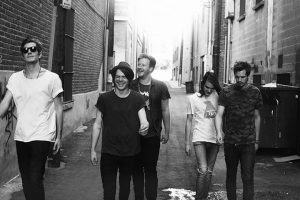 What about the influences of this album? Do you listen to the same bands that when you were recording “Can’t Stop Won’t Stop” for example?
John: Well, some bands yes, but for the majority I think a lot of what we listen to has changed for sure.
Jared: That’s just a natural, when you find out about new bands and new artists.
John: That’s right. I don’t know about you guys, but for me when I’m thinking about what music I listened to in sixth grade as opposed to what I listen to now, and I listen back to what listened to and it’s nice because it’s nostalgia…
Jared: …but you wouldn’t want to listen to it with your windows down in your car really loud even though you did in high school.
John: About the bands we did listen while we were writing I think a lot of stuff is subconscious, bands that if we told you, you might not even translate. But we like Rolling Stones a lot, Neil Young, Talking Heads… And probably Talking Heads wouldn’t make sense.
Jared: But there’s surely stuff that we got from that bands that just make sense in the album but all those influences we didn’t realize they were there just creeping their way in what we were doing.
John: I think there’s a good balance of trying not to have a bleed too much in what we were doing, so if we ever had a moment we heard too much of something you just have to stop it right away and start over.
You’ve published a documentary called “This Is Pioneer”. Why did you picked this album for making a documentary and what part of it are you more proud of?
John: I think the fans that followed us are familiar with the story but even if you’re a diehard fan of the band you don’t know the whole thing and I feel the reason we’re putting it out with this album is that we’re really proud of what we did and we just want to get this story across the way it actually happened as opposed to hearing it secondhand from somebody else. We did a live DVD with it as well, we chose Brazil because the first time we visited it ended up being the most surreal experience, very overwhelmed but not in the bad way. And it also happens that the show that we filmed that’s the most people that we’ve ever brought to a show so it just made sense.
Jared: For the album, Garrett had a camera with him the whole time and he always had it on, and it caught a lot of really important moments throughout the whole writing and recording process, so we being able to go back and put that all that information together and keep these really important moments I think it’s really exciting to see all that thing together.
In “This is Pioneer” you talk about your first times playing out of Arizona and nowadays you’ve played in these places again. Did you think of how much have you evolve as a band? Would it be a good time to do some kind of balance?
John: I think you definitely have to take a second to appreciate it all and reflect on the work that you put in, but the true time to see the actual reflection is when it’s all over and when you have nothing to hold on to. I think that’s the important thing, that we don’t get caught up in what’s going on because we still have a job, we still have responsibility, at this point that’s to make music and to go play it for people. I hope that when we will be old and wrinkly and we don’t do this anymore I think that’s when we can tell our kids “what I used to be, son…” For now, we’re just very fortunate to be continuing to do it and not taking advantage of it.
Also you’ve published the B-sides of Pioneer. Did you record them on the same sessions as the rest of the songs of the album? Why those songs didn’t get to be a part of the album?
John: There are a few tracks that could have been on the album, I could definitely here them in the same thing.
Jared: But we didn’t want to have a really long album; that was a hard part, to pick up the songs that were going to be on the album because we wanted to keep it short. We recorded so many songs, and “My Heroine” for example almost ends up on the B-sides. But also there’s stuff that is totally different than the album and clearly it would be out of place.
John: Once you hear the B-sides you’ll agree that some songs just don’t belong with the other ones. But we’re still excited and we felt it was important to get them out there and be able to tell the entire story because we did record so many songs at once.
You’re on tour right now and it’s the biggest tour you’ve ever did as a headliner. How it’s going so far?
John: We kind of cheated and made Australia a part of the Pioneer tour but in reality we got to go on tour with New Found Glory and Taking Back Sunday, they took us on their tour. But to be able to go to so many places and to play our album, I mean, if you go to the show tonight you’ll be hearing a lot of Pioneer because it’s this tour and we didn’t changed up the set too much from what we did in the past on the same tour. We wanted to try to deliver the same experience everywhere we went, and the real highlights is just the idea that we got to go to so many different spots.
Jared: It’s the first album when we literally went all around the world promoting it and playing it. And I think it’s a huge milestone for our band.
John: Coming to Spain and going to Italy for the first time that’s something we are very excited to cross off the list and hopefully be able to come back and make a routine of it.
We really like the cover of the album. It seems to us that you wanted to communicate something different with it because it isn’t something we’re used to see in pop-rock music. Did you think a lot about it or was it more improvised?
John: For some reason I had that image in my head for a long time, a big bearded dude with some bright red lipstick. So when Dirk (Mai) came out to Texas when we were recording and we toss around a couple ideas and this one was our favorite because cover art is really important and I really do like cover art but for this we just wanted something that surprised people just because we wanted it to be about the music. It kind of go inside of all the process, and it’s related to what it is for us being true and making sure that whatever you’re doing it’s what you believe in. It’s not about the record label or other bands; it’s about us and what we want to do, and if that meant put a cupcake on the cover that’s what we are going to do. And I hope it got that point across to the people that listen to the album, because hopefully they’re not surprised about anything in the future and I think it also opens doors for us.
In your facebook page there’s a lot of people who have tattoos with something related to the band. How do you feel about this?
John: It’s wild, it’s very hard to think about it.
Jared: I have a tattoo of a friend’s band so I know what it’s like, and I think it’s fine that if you feel strong about something and it doesn’t have to be a tattoo, our fans make stuff for us… But tattoos are permanent and that is a really big statement for someone to make. I’ve seen so many tattoos and there was a point when I saw a couple and I realized it going to be there for a long time and that’s an honor.
John: The fact that somebody gave up a space on their body for a part of us, which is kind of mind-blowing.
And when people even say that your songs saved their lives, did you ever think you’d get this far?
John: You know, we don’t go out and try to do that obviously, and you don’t know how many stories are really true but we don’t care. The fact that people are saying that means that we’re doing something right and means that we need to continue to do whatever we feel is right. Those kinds of scenarios, the letters that we receive and stuff like that is really humbling and it feels good.
In other interviews you’ve said that these two last years have been really important after so many international tours and a lot of countries that you’ve never visited before… What dreams do you still have as a band?
John: There’s a lot that we haven’t accomplished. Maybe not specific goals, but I think there’s things that we haven’t experienced and we know we want to. The next album is kind of our interesting thing because we’ve already tried and succeeded to at least put out and produce the music that we wrote, so it’s going to be an interesting crossroad of deciding if we want to do that again or who we’re going to record with knowing that we have to pay for it with our own money. There are a lot of things we’re excited about, and there are a lot of spaces we haven’t been, I would say that “the firsts” are always good, first time here in Spain for example, we want more of those things and that’s what we have to look forward to.
Your last American tour was with Lydia and Arkells. We have to confess that we are huge Lydia fans and that the line up surprised us a little bit. Did you like to tour with bands that are a little bit “out of the pop scene”?
John: We decided to take out bands that we listen to and we enjoy, and I don’t mean that we don’t enjoy who we toured with in the past; I just mean that that’s what it was. I found out about Arkells at a show in Toronto from a fan, they just gave me a CD, and we don’t always listen to them, but we did in that occasion. The record that they gave me was “Jackson’s Square” and it was on repeat, and we found out they were putting out another one and we knew that they had to go on tour, we looked to their tour history and they haven’t really done a lot of stuff in the States…
Jared: And we haven’t done a lot of stuff in Canada so that made sense for both bands.
John: And then Lydia, we’ve been friends with them for a long time now. I did merch for them on Warped Tour in 2006 and fortunately our management company is now working with them so that one just kind of fell into place. We felt that it was a cool balance: Arkells opening up and they’re more rock and very upbeat and uptempo, then Lydia which is very cinematic and very epic and melodic, and then us which… whatever. It just felt right.
We’ve read that there were some issues with your record label and as you said before you decided to publish this album by yourselves. This is happening to a lot of bands lately, like The Cab or All Time Low. What are the pros and cons of making all the work yourselves?
John: The cons of not being on a label… one is money, that’s the biggest one, and the second one is experience. But I will say that there’s a huge case of one track mind when it comes to thinking about music in record labels in general. Everybody is really afraid to change because they’re afraid to lose their job, which I totally understand, if I had a family and I needed to support people I would be very skeptical about putting my name on the list of people that are trying to innovate. But I think that at the end of the day, the pros outway the cons because you get to do what you want to do and if you’re making music, unless you were Lady Gaga or any of these artists that are just performance and entertainers, why would you want your music to be manipulated by everyone around?
Jared: Your music is the only thing that you truly own as an artist. So when you have these labels coming and saying “we don’t like it that way, you need to change this” whatever it is, even it’s the artwork. If you have a vision of what you’re doing, you should do it that way. The record label should have signed you because they saw that you know what you’re going to do and they liked it. That’s only one case, there’s just a different type of bands who wants the label to take care of everything. We’re not that band. We’re very involved with everything; we want to know what’s going on with every tiny detail, so that’s why when we left the label it wasn’t a scary process for us, to one day wake up and say “we’re not signed to a label, what will we do?”, we already knew what to do.
John: When we find out we had a party with a cake and champagne…
Jared: Yeah! But some band would be devastated with that news; it would be a terrible thing to find out. But us we had a cake and wine.
John: I think it’s all relative too. We know the guys in The Cab, we haven’t talked to them about their situation but I think each one is very specific and relative.
Jared: For us it was a blessing.
Did you feel that this have been some kind of “back to the roots” but evolving after all the experience you’ve had with “Black & White”?
John: Yes, it felt liberating to go back to where we came from and that was one of the biggest inspirations of why we chose to do it this way. We were thinking about music and what got us to the first crossroad, the first record, why did we get signed and it was the fact that we made it all by our own; we made the music by our own, so why can’t we do that again?
Jared: I think at that point, everyone in the band were really hungry, everyone really wanted to succeed. But now I feel like we’re back there with a lot more knowledge about how everything works…
John: And a clearer idea of what it is that we want.
Do you believe in including all types of music in some kind of “tags” or categories? Do you think that you’re a band that could enclose yourselves in only one kind of music?
John: I don’t believe in that. But I think it’s rock music, because there’s guitars, drums, there’s a vocal, a bass player, an organ… and that’s it.
Jared: and everyone is playing real instruments live, that’s a band.
John: We don’t have anything tracked so I think that’s rock music.
Jared: But then when you say pop, it could be someone that doesn’t play an instrument or it could be a whole band of people. I don’t know, it gets so messy, I hate to do it.
John: In the end “pop” just means “popular”, right?
All of you are really close to the fans in your shows but also you use tools like blogs, websites to keep in touch with them. Do you personally think that the social networks help the band gathering a bigger group of fans?
John: Undoubtedly, yes. That’s the only reason why we’re here. The only reason that we got to visit South America or Italy is the response that we got online and know that there are going to be at least four people.
And you sold out in Madrid…
Jared: Yes! A lot of that is the internet and we try to give people a piece of what the band is all about. The internet is a great tool for that and we’re on a point now, since we’re not on a record label, that it’s possible to deliver a song and put it on people’s hands in less than a couple of days later. So that is the awesome part of having the internet, it’s a tool we’ve used since the beginning and it’s taking us to places that we wouldn’t ever seen if we didn’t had that.
John: It’s definitely have been a positive thing for us, it’s only going to get crazier, they’re going to develop some new website, some thing that keeps everyone connected and plant microchips in your head and brainwash us all.


